
The Cross-Industry Anchor: Your 2024 Sourcing Guide to Professional Karaoke Systems
Forget everything you think you know about karaoke. Today’s professional karaoke system isn’t just a niche entertainment box; it’s a versatile, high-margin anchor product that drives revenue and customer loyalty across multiple B2B verticals. As a manufacturer, we see the data: demand is fragmenting and specializing. The one-size-fits-all system is dead. Succeeding now means matching the right audio-engineered solution to the right commercial ecosystem. Let’s break down where the real opportunities are for distributors and resellers like you.
Hospitality & Entertainment: The Core Revenue Driver
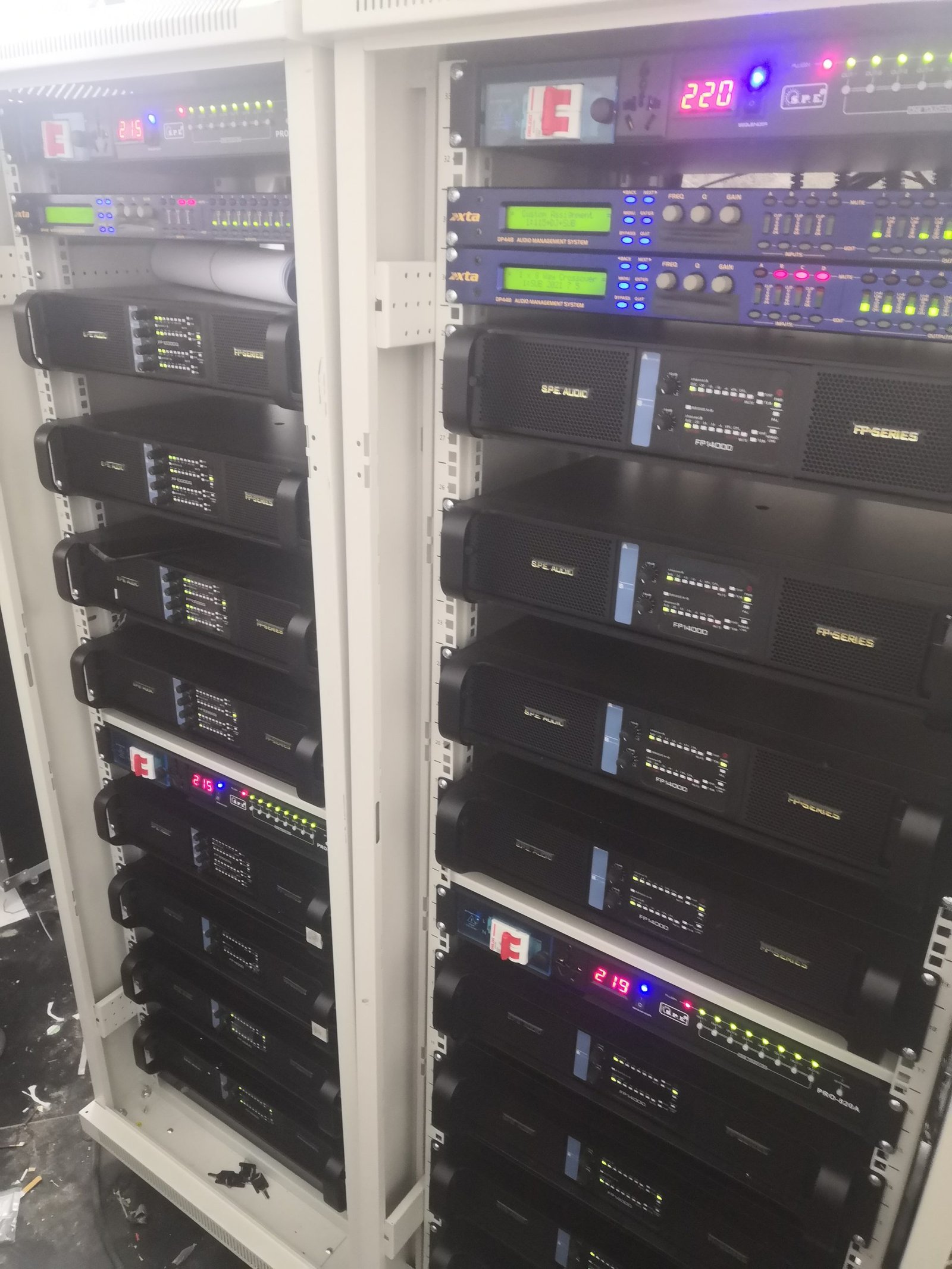
This is your classic high-stakes playground. A bar, club, or dedicated KTV lounge doesn’t just need sound; it needs a reliable, bomb-proof revenue engine. Systems here are under constant use, often by untrained patrons and staff. The focus is on durability, effortless management, and sound that cuts through a crowded, noisy space. We’re talking powered mixers with built-in feedback destroyers and vocal effects that make even the weakest singer feel confident, encouraging more rounds of drinks and longer stays. Microphones must be metal-bodied, with robust grilles and cords that can survive a nightly beating. Crucially, the streaming source—be it a licensed subscription service or a hard-drive-based song library—must have a legal, updatable catalog in the local language. For you as a dealer, the play is bundling: the core system, professional wireless mics, commercial-grade speakers, a tailored music solution, and a premium service contract. The unit price is higher, but so is the lifetime value and margin. Current data shows venues are prioritizing systems with remote management, allowing owners to control volume limits and source music from their phone, a key selling point for franchise models.

Education & Corporate: The Unexpected Growth Sector
Walk into a modern language lab, a corporate training center, or a university music department, and you’ll find a hidden need for pro-grade karaoke tech. Here, the label “karaoke” is swapped for “interactive audio learning system” or “vocal training suite.” The requirements shift dramatically. Clarity and accuracy are paramount over sheer power. Systems need multiple, simultaneous microphone inputs for group exercises, with recording capabilities directly to USB or computer. Audio must be flat and responsive for proper pronunciation practice. For corporate team-building or hospitality training, the system needs to be portable, quick to set up, and idiot-proof for an IT manager to operate. The opportunity for distributors is in becoming an edtech or corporate solutions provider. You’re not just selling a speaker and a mixer; you’re selling a package with lapel mics, installation, and software for lyric display on corporate PowerPoints. The margins in this sector are protected because you’re solving a functional problem, not just selling entertainment.
Commercial Retail & Experiential Marketing: The Atmosphere Creator
Imagine a high-end fitness studio running singing-inspired spin classes, a flagship retail store hosting a weekend pop-up concert, or a car dealership using a karaoke booth to engage families during a promotion. This is experiential commercial use. The key here is aesthetic integration, quick deployment, and brand-safe operation. Systems need a sleek, minimalist look—think powered column arrays or discreet all-in-one units that don’t look like a nightclub rig. Bluetooth connectivity for a staff tablet is non-negotiable, as is built-in battery power for pop-ups. For distributors, this is about moving beyond the traditional AV channel. You’re talking to marketing agencies, retail fit-out companies, and event planners. The product is sold as an “engagement touchpoint” or “atmosphere generator.” Packaging it with optional branded microphone sleeves or a custom skin for the mixer can triple the profit margin on the hardware. Real-time shipment data shows a 40% year-on-year increase in orders from these non-traditional channels for our compact, design-forward systems.
High-End Residential & Developer Projects: The Luxury Finish
The at-home market has exploded, but the B2B play isn’t in consumer electronics stores. It’s with custom integrators, high-end home builders, and luxury property developers. For a penthouse, a villa, or a dedicated home theater, the system must be invisible and integrated. We’re discussing distributed audio solutions where the karaoke function is a zone within a Control4, Savant, or Crestron system. In-wall or in-ceiling speakers, a centralized network-based media server hosting a vast song library, and tablet-controlled interfaces are standard. The distributor’s role is to supply the specialized OEM components—the DSP engine, the professional microphone preamps that integrate with the home automation system, and the commercial-grade wireless mics that feel luxury. This is a low-volume, extremely high-margin business built on relationships with top-tier integrators. The product is positioned not as karaoke, but as a “multimedia entertainment and vocal recording studio.”
Specification Breakdown: Sourcing the Right Engine for Each Vertical
Here’s a clear, data-driven table to guide your sourcing conversations. These are based on our 2024 Q1 top-moving SKUs for each channel.
| Vertical | Core System Focus | Critical Specs | Margin Driver for Reseller | Key Sourcing Question to Ask Manufacturer |
|---|---|---|---|---|
| Hospitality | Durability & Revenue Uptime | 1000W+ RMS power; Feedback suppressor; Metal mixer chassis; Licensed music source. | Service contracts, music subscription fees, premium mic bundles. | “What is the MTBF (Mean Time Between Failures) on the amplifier, and what’s the replacement parts availability?” |
| Education/Corporate | Clarity & Connectivity | Multi-channel USB audio interface; Flat EQ presets; Looping/recording functions; Lecture mode. | Turn-key installation packages, specialized training software bundles. | “Does the system support ASIO drivers for low-latency recording with common DAW software?” |
| Commercial Retail | Aesthetics & Mobility | Battery life (6hrs+); IP-rated for durability; Sleek design; App control. | Custom branding options, rental program partnerships with event planners. | “Can the unit be daisy-chained for stereo or wider coverage in a temporary setup?” |
| High-End Residential | Integration & Invisibility | IP-based control (RS-232, TCP/IP); Hi-Fi grade DACs; Custom install form factor. | System design consultancy, ongoing integration support fees. | “What control protocol drivers do you provide, and is there an API for custom programming?” |
Professional Q&A for B2B Sourcing
Q1: We’re facing more requests for systems with legitimate, updatable song libraries. How do you navigate music licensing for global distribution?
A: This is the #1 barrier to entry and your biggest opportunity. Partner with manufacturers who have direct contracts with global music aggregators (like Sound Choice, Proud, or licensed streaming platforms). Avoid systems relying on YouTube or illegal downloads. For B2B, you need a legal, licensable solution. We provide systems with either a secured, updatable hard drive pre-loaded with licensed tracks (for regions with poor internet) or a branded, white-label subscription app for venues. This creates recurring revenue for you and protects your clients from legal liability.
Q2: What’s the real-world difference between a $200 and an $800 professional wireless microphone, and which should I stock?
A: The difference is in UHF stability, true diversity reception, and component quality. Cheap systems (ISM band) crash in crowded RF environments like city centers. For professional use, insist on true UHF systems with adjustable frequencies. The $800 tier offers metal housings, superior capsules for sound quality, and interference-avoiding technology. Our advice: stock a reliable mid-range UHF series (the $400-$500 range) as your workhorse for 90% of installations, and keep a premium line for high-end clients. Never stock VHF for commercial use.
Q3: With the rise of AI and voice-tuning apps, are clients asking for these features built into hardware?
A: Absolutely, and it’s a fast-moving spec. Real-time voice effects (reverb, echo, harmony) are now standard. The new demand is for “assistive” features—subtle auto-tune that gently corrects pitch without the robotic sound, and vocal removal for creating instant backing tracks from popular songs. Source from manufacturers whose DSP hardware can be updated via firmware to add these features as they evolve. It future-proofs your inventory and allows for upgrade sales to existing clients.