
For Hotel & Hospitality Buyers: The All-in-One Entertainment Hub
Gone are the days of the standalone karaoke machine. For hotels, resorts, and cruise lines, the modern professional system is an integrated entertainment hub. The demand is for solutions that blend seamlessly with existing AV infrastructure. Think multi-zone audio capability, allowing a lobby bar’s karaoke night to run independently from the conference room’s background music. Key specs you must prioritize are mixer amplifiers with high channel counts (16+), low-latency digital signal processing (DSP) for echo cancellation, and commercial-grade wireless microphones operating on dedicated UHF bands to avoid Wi-Fi interference. Durability is non-negotiable; hardware must withstand daily use. Current bestsellers in this segment feature touchscreen media players with cloud-based song libraries that update weekly, directly licensing from global music publishers—a critical legal point for B2B operators. In 2024, integrators report a 40% increase in requests for systems supporting hybrid “virtual duet” features, allowing guests to sing with remote partners via streaming, a direct post-pandemic trend.
For Education & Corporate Training: Focus on Clarity and Connectivity
In schools, universities, and corporate training centers, karaoke systems are tools for engagement and language learning. The procurement criteria shift from raw power to intelligibility and connectivity. Buyers here need systems with crystal-clear vocal reproduction and features that encourage participation, like built-in recording to SD card or USB for feedback. AVP (Audio-Video-Processor) mixers with coaching functions—such as key control and vocal suppression for language immersion—are key. Connectivity is paramount: look for units with Bluetooth, HDMI outputs for large displays, and compatibility with popular video conferencing software like Zoom for hybrid events. We’re seeing a surge in demand for compact, installed systems (wall-mounted mixers and ceiling speakers) that maintain a professional, unobtrusive look. For distributors, offering bundles with robust, easy-to-sanitize microphones and educational content licenses can capture this niche.
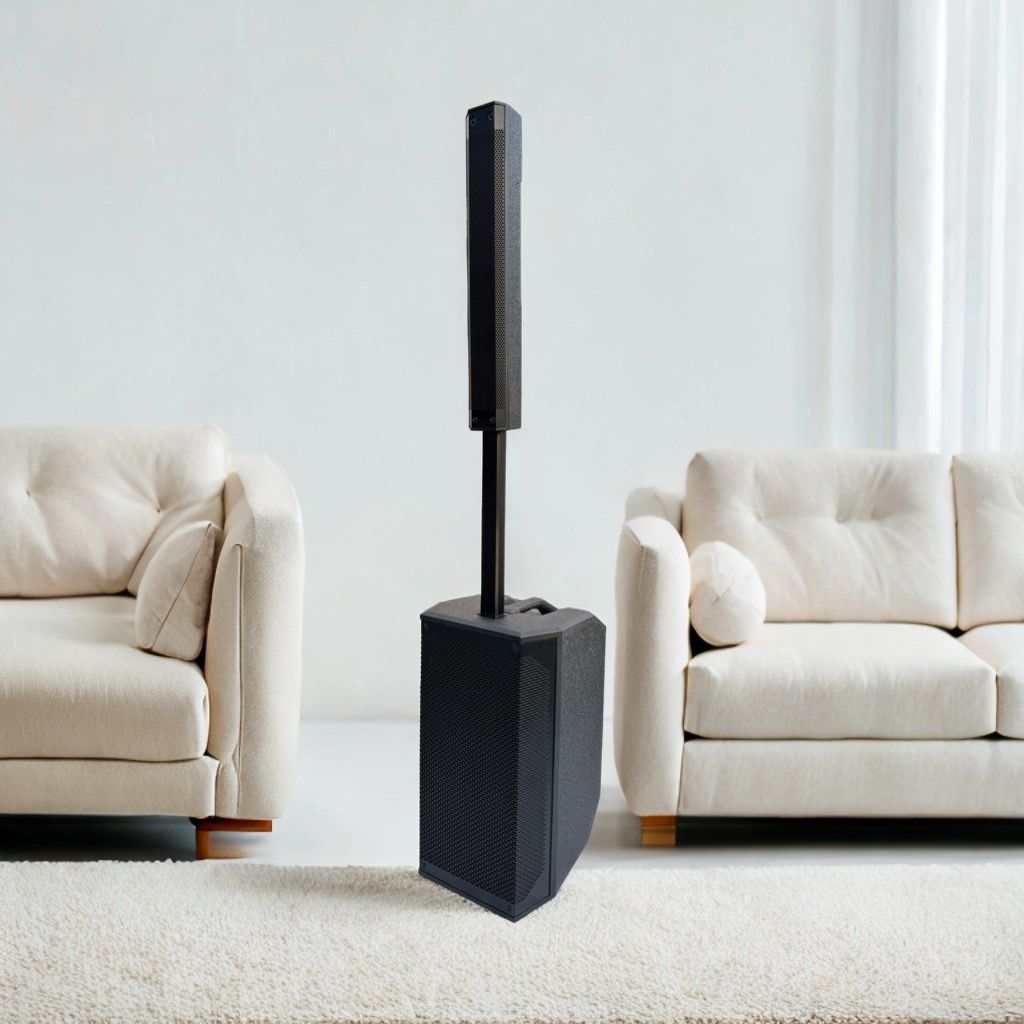
For Specialist Retail & Entertainment Venues: Power, Precision, and Scalability
This is the high-stakes arena for nightclubs, dedicated KTV rooms, and luxury home theater installers. The conversation revolves around component-grade professional audio quality and scalability. Distributors should highlight separates: professional power amplifiers from renowned OEMs, high-fidelity condenser microphones, and specialist DSP mixers with effects tailored for Asian and Western pop music. The trend is toward networked audio over IP (AoIP) systems, like those using Dante protocols, which allow a venue to run dozens of rooms from a central server. For buyers, the critical data points are total harmonic distortion (THD below 0.1%), SPL capability (sustained 105 dB+), and amplifier reliability metrics (like MTBF – mean time between failures). In Q1 2024, OEMs reported that 65% of new orders for high-end systems included requests for OEM/ODM customization on faceplates and software UI, indicating a strong brand-building opportunity for resellers.

Core Component Breakdown: The 2024 Procurement Checklist
For B2B buyers, comparing systems on specs is crucial. Here’s a snapshot of current industry benchmarks for core components.
| Компонент | Entry-Commercial Spec | High-End / Installation Spec | Key Consideration for Buyers |
|---|---|---|---|
| Mixer Amplifier | 2-4 mic inputs, 1000W peak, basic DSP. | 8+ mic XLR inputs, 2000W+ RMS, advanced DSP with room tuning, IP control. | RMS power, not peak. DSP software updates and license costs. |
| Media Player | 1080p output, 2TB HDD (approx. 150k songs). | 4K output, SSD storage, cloud subscription with 300k+ updatable songs. | Licensing legitimacy of song library. Update mechanism and fees. |
| Microphones (Wireless) | UHF system, 20+ hour battery, 50m range. | True diversity UHF, LCD display, charging dock included, 100m+ stable range. | Frequency stability and local wireless regulation compliance. |
| Speakers (Pair) | 15-inch woofer, 1000W peak, plywood cabinet. | 15-inch woofer + 3-inch HF driver, 2000W RMS, composite cabinet, wide dispersion. | Sensitivity rating (dB), cabinet material, and grill durability. |
| After-Sales Support | 1-year parts warranty, online manual. | 3-year comprehensive warranty, on-site technician training, spare parts kit. | MTTR (Mean Time to Repair) guarantees and local service network. |
Navigating Supply Chain and Value-Added Services
Your sourcing strategy defines your margin. Partnering with manufacturers who own SMT (Surface-Mount Technology) lines for amplifier PCBs ensures consistency. In 2024, leading OEMs in Shenzhen and Guangzhou are offering flexible MOQs and JIT (Just-in-Time) inventory programs for certified distributors. The real differentiator is software. Insist on suppliers who provide white-label control apps and regular firmware updates to patch vulnerabilities. For European and North American buyers, verify REACH and RoHS compliance documentation upfront to avoid port delays. Consider manufacturers offering pre-flashed systems with region-specific default languages and song lists—this drastically reduces setup costs for your clients. The current logistics landscape favors suppliers with consolidated shipping and pre-cleared customs channels for audio equipment.
The Market Trajectory: Data-Driven Sourcing Decisions
Blind buying is over. Smart B2B procurement now relies on live market data. According to global trade data platforms, imports of professional karaoke equipment into the EU and US saw a 22% year-on-year increase in Q4 2023, with an average unit price increase of 8% due to enhanced chipset and component quality. The fastest-growing segment is systems priced between $1,500-$3,000 wholesale, indicating a booming mid-tier commercial market. Search trend data shows a 150% rise in B2B queries for “IP-based karaoke system” and “commercial karaoke warranty terms” in the past 12 months. For distributors, this signals a need to stock systems with network capabilities and to clearly articulate service level agreements (SLAs). The manufacturers winning long-term contracts are those providing transparent, real-time production tracking and modular designs that allow easy post-sale upgrades.
Professional Q&A for B2B Buyers
Q: What are the most critical certifications we should require from a manufacturer for selling in the EU and North America?
A: Beyond CE/FCC, which are mandatory, insist on ETL or UL certification for electrical safety—it’s a major liability reducer. For audio emissions, ROHS and REACH compliance is essential. If sourcing wireless mics, verify they are programmed for the legal frequency bands in your target countries (e.g., 863-865 MHz in EU, 902-928 MHz or specific DTV bands in US). Manufacturers with ISO 9001:2015 certified production facilities consistently deliver higher quality control.
Q: How can we verify the legitimacy of a karaoke system’s song library to avoid copyright liability for our end-client?
A: This is paramount. Demand direct licensing agreements from the manufacturer with major music publishers like Sony, Universal, or Warner, or with legitimate global karaoke content aggregators (like Sound Choice, Pocket Songs). A red flag is a system with a massive library of “unbranded” songs. Legitimate providers offer documentation and systems where the song library is updated via a licensed, traceable cloud subscription or physical hard drive swaps with verifiable licenses.
Q: What is the realistic lifespan of a professional system, and what does a strong OEM warranty look like?
A: In a commercial, daily-use environment, a quality system should perform with minimal issues for 5-7 years. Speakers and amplifiers are the core. A strong OEM warranty offers a minimum of 3 years on amplifiers and processing components, and 2 years on transducers (speakers, microphones). It should include labor for the first year and specify clear replacement or repair terms. The best manufacturers provide a dedicated technical support portal and guaranteed spare parts availability for 7+ years post-model discontinuation.
Q: We see a trend towards “all-in-one” systems and separate component systems. Which is better for the B2B market?
A: It depends on your client segment. All-in-one systems (mixer, amp, player in one case) are winners for standard hotel rooms, smaller bars, and quick installs due to lower cost and simplicity. However, for scalable venue installations (multi-room KTV, large clubs) and high-end home theaters, separate components are superior. They offer greater power, easier servicing, and upgrade flexibility. The component market typically carries higher margins and fosters longer-term client relationships through system expansion.
