Wireless Karaoke Microphone Systems: Ultimate Setup Guide for B2B Distributors Across Industries
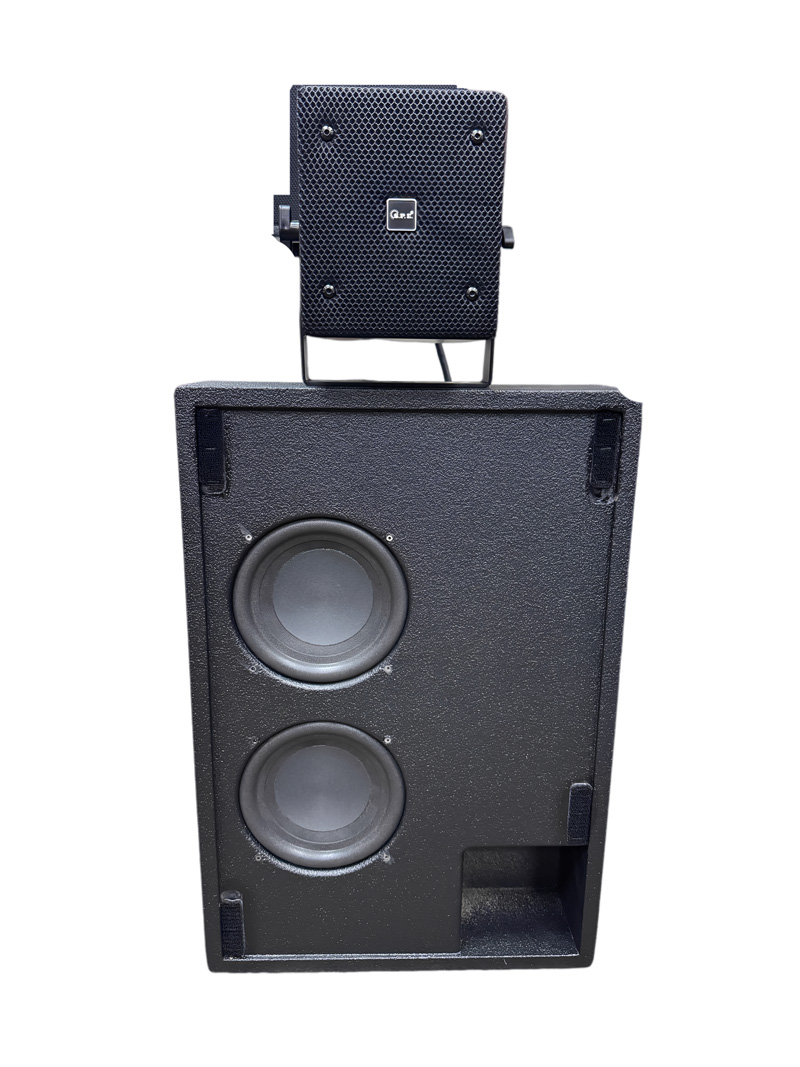
Okay, let’s get straight into it. Setting up a karaoke wireless microphone system might seem tricky, but it’s actually pretty straightforward once you break it down. First things first, unbox all the components: you’ll typically have wireless microphones, a receiver, a mixer (sometimes built-in), speakers, and cables. Start by placing the receiver near your audio source, like a karaoke machine or a TV, and plug it into a power outlet. Connect the receiver to the mixer or directly to the speakers using audio cables—usually XLR or 1/4-inch jacks. Turn on the microphones and receiver, and sync them by following the pairing instructions, which often involve pressing a button on both devices. Test the audio by speaking into the microphone and adjusting the volume on the receiver and speakers. Make sure there’s no interference by keeping the receiver away from other electronic devices. That’s the basic drill, and from here, we can tweak things based on your specific needs.
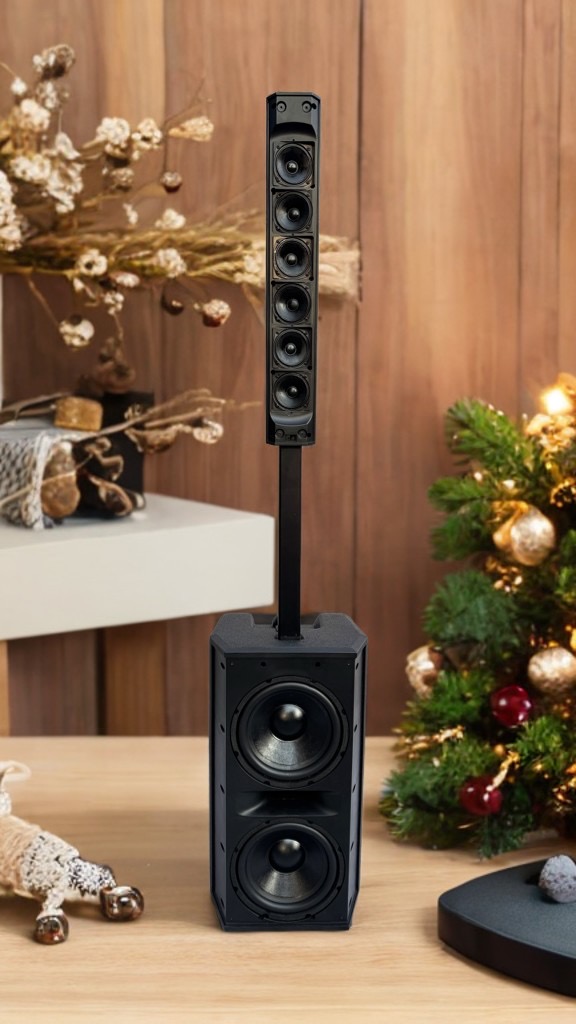
Now, let’s talk about how this setup plays out in different industries. For hotels and resorts, wireless karaoke systems are a big deal for entertainment lounges or private events. You’ll want systems with robust battery life and durable mics that can handle frequent use. In bars and clubs, focus on high-output speakers and microphones with feedback suppression to avoid those screechy sounds. For education and training sectors, like language schools or team-building workshops, opt for user-friendly systems with simple connectivity to laptops or projectors. Corporate events might require portable systems with professional audio quality for presentations or after-hours fun. Even in retail, demo setups can attract customers. As a B2B distributor, understanding these nuances lets you recommend the right gear. For instance, a hotel might need a system with multiple microphone channels for group singing, while a small café could do with a compact all-in-one unit.
Switching gears to the business side for you distributors, here’s the lowdown on sourcing and selling these systems. In 2023, the global wireless microphone market is growing at about 8% annually, driven by demand from entertainment and hospitality sectors. When purchasing from manufacturers like us, check for key specs: frequency range (UHF is better for less interference), battery life (aim for over 8 hours), and compatibility with various audio sources. Stock systems that offer value—like those with Bluetooth connectivity for streaming music from phones. Price points vary; entry-level systems go for $50-$100 wholesale, while professional setups can hit $300-$500. To boost sales, provide setup guides and after-sales support to your clients, such as hotels or event planners. Real-time data shows that B2B orders spike during holiday seasons, so plan inventory accordingly. Also, emphasize certifications like FCC or CE for international compliance, which is crucial for global trade.
On the technical front, maintaining these systems ensures longevity and happy customers. Regularly update firmware if the system supports it, and clean microphone grilles to prevent audio muffling. For interference issues, suggest changing the frequency channels on the receiver—most models allow this with a simple dial. Encourage clients to store mics in dry places and recharge batteries fully before events. If you’re dealing with large venues, recommend systems with diversity reception to avoid dropouts. Share troubleshooting tips: if there’s no sound, check cable connections and power sources; if audio is distorted, reduce the gain on the mixer. These small steps can cut down on returns and build trust. Keep an eye on new tech, like systems integrating with apps for remote control, which are gaining traction in 2023.
Wrapping up with some hard data, here’s a table based on recent market analysis to help you make informed decisions. Use this to compare options when stocking up.
| System Type | Best For Industry | Avg. Wholesale Price | Key Features | 2023 Demand Trend |
|---|---|---|---|---|
| Basic UHF System | Small Bars, Retail | $50 – $100 | 2 mics, 100m range, rechargeable | Steady |
| Professional UHF Set | Hotels, Large Events | $200 – $500 | 4+ mics, diversity reception, mixer included | Rising |
| Bluetooth-Integrated | Education, Corporate | $100 – $250 | Wireless streaming, portable design | Высокий |
| All-in-One Portable | Outdoor Events, Pop-ups | $150 – $300 | Built-in speakers, battery-powered | Growing |
Professional Q&A for B2B Distributors:
Q1: What’s the biggest challenge when setting up wireless karaoke systems for international clients, and how can we address it?
A1: Frequency compliance is key—different countries have varying regulations for wireless devices. For example, the U.S. uses FCC rules, while Europe follows CE standards. Always source systems with adjustable frequencies or region-specific models. In 2023, many manufacturers offer multi-band systems that adapt globally, reducing headaches for distributors.
Q2: How can we ensure audio quality in noisy environments like busy restaurants or trade shows?
A2: Go for systems with high signal-to-noise ratios (above 80dB) and directional microphones that minimize background noise. Real-time testing in the venue helps, so advise clients to do a sound check. Also, consider systems with EQ controls on the mixer for fine-tuning.
Q3: What are the latest trends in wireless karaoke technology that B2B dealers should stock?
A3: As of 2023, there’s a surge in demand for systems with app integration for volume control and song selection. Hybrid models that work with both karaoke apps and traditional inputs are selling well. Eco-friendly features, like longer-lasting batteries, are also a plus for corporate clients focused on sustainability.
Q4: How do we handle returns or defects efficiently to maintain supplier relationships?
A4: Set clear warranty terms—most systems come with a 1-year warranty. Encourage clients to report issues quickly, and keep spare parts like microphone capsules or antennas in stock. Data shows that offering replacement units over repairs speeds up resolution and boosts customer satisfaction.
Q5: Can these systems integrate with existing audio setups in venues like hotels?
A5: Absolutely. Most wireless receivers have standard outputs (XLR, RCA) that plug into existing amplifiers or PA systems. For seamless integration, recommend systems with line-level outputs and provide simple diagrams in your product guides. This versatility makes them a hit for upgrades without full overhauls.