
What is a Karaoke PA System? How It Powers Entertainment from Hotel Lounges to Corporate Events
Alright, let’s cut straight to the chase. If you’re a B2B dealer sourcing audio equipment, “karaoke PA system” might sound niche. But in reality, it’s one of the most versatile and in-demand audio setups globally. It’s not just for dedicated karaoke bars anymore. We’re talking about a specialized sound system engineered for one core purpose: making amateur vocals sound good, powerful, and clear over background music, all while being simple to operate. At its heart, a professional karaoke PA system is a robust, integrated public address system built to handle dynamic vocal performances, ensuring the singer is the star of the show.
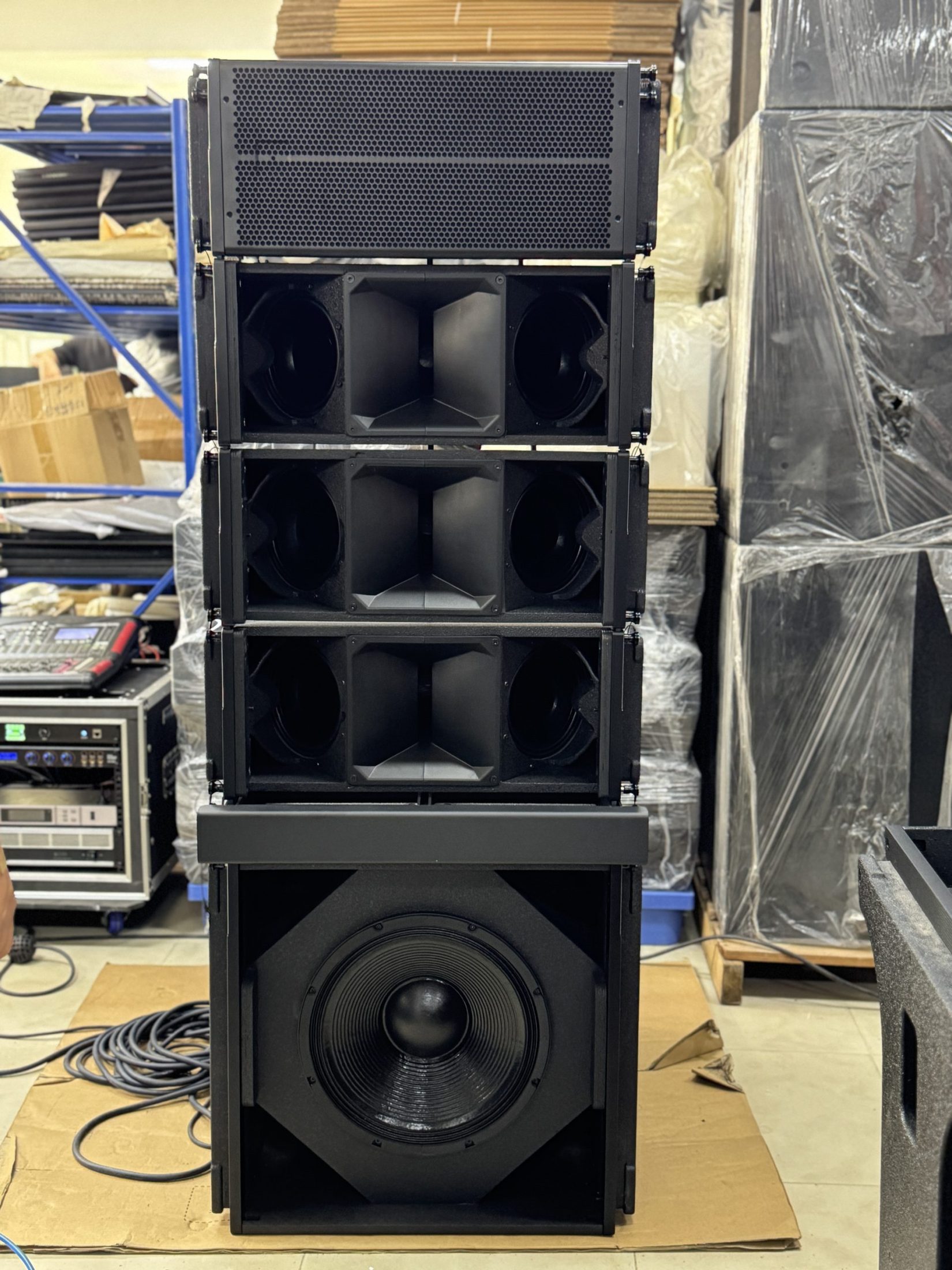
So, what’s inside this box? It’s more than just a speaker and a mic. A complete system is built on three pillars. First, the Mixer-Amplifier Core. This is the brain. Unlike standard PA mixers, a karaoke mixer has dedicated, high-gain microphone preamps to boost weak vocal signals without distortion. Crucially, it features multi-band EQ (equalization) and often built-in digital effects like reverb and echo specifically tuned for vocals. These effects fatten up thin voices and add that signature “karaoke” ambiance. Many pro units come with dual-zone capabilities, allowing background music in one area (like a lounge) and karaoke in another. Second, Microphones. We’re typically talking about durable, wired UHF wireless microphones. For B2B, reliability is key—systems often include two mics with independent frequency controls to avoid interference. Third, Speakers. These are full-range, high-output passive or active speakers designed for vocal clarity. They prioritize the mid-range frequencies where the human voice sits, ensuring lyrics aren’t drowned out by bass. A complete package will also include media players, often with touchscreen interfaces, hard drives pre-loaded with thousands of songs, and support for streaming subscriptions.

Now, why should this matter to you as a distributor? Because the application scope has exploded. It’s no longer a single-industry product.
- Hospitality & Entertainment: This is the traditional base. Bars, dedicated karaoke clubs (KTV), and hotel lounges. The trend here is towards networked, cloud-based systems for centralized song library management and premium, furniture-style enclosures for high-end venues.
- Community & Education: Community centers, schools, and places of worship use these systems for hybrid events—think karaoke nights, talent shows, and interactive presentations. Durability and ease of use are the top selling points here.
- Corporate & Retail: Here’s a growing B2B segment. Companies use them for employee engagement events, holiday parties, and team-building activities. Retail spaces might use them for in-store promotional events or customer engagement competitions. The requirement is often for portable, all-in-one systems.
- Home Entertainment Premium Market: Following the rise of home entertainment, there’s a booming high-end market for commercial-grade karaoke systems in luxury homes, vacation rentals, and yachts. This segment demands aesthetic design, wireless capabilities, and integration with smart home systems.
For a dealer, understanding the technical specs that matter to these different clients is what closes deals. Here’s a simplified breakdown of common configurations and their target clients:
| System Tier | Core Components | Key Features | Target B2B Client / Application |
|---|---|---|---|
| Entry-Level / Portable | All-in-one powered speaker with built-in mixer, 2 wireless mics. | Compact, plug-and-play, battery options. | Small cafes, mobile event DJs, community groups, starter kits for small businesses. |
| Mid-Range Pro | Separate mixer-amplifier, 2-4 passive speakers, 2-4 UHF mics, media player. | Multi-zone control, vocal effects, basic recording, robust construction. | Mainstream karaoke bars, mid-size hotels, schools, standard KTV rooms. |
| High-End / Commercial | Digital mixing console, powered line array speakers, advanced media server, 4+ channel wireless mic system. | Networked audio management, superior vocal processing, high-fidelity sound, scalable design. | Large KTV chains, luxury hotels, premium event venues, high-end home installations. |
Sourcing for your market? Focus on these Key Buying Factors for B2B Dealers: 1. Modularity & Scalability: Can you sell add-ons? Systems that allow adding more mics, speakers, or mixer channels as a business grows create repeat business. 2. Codec & Library Support: Ensure systems support popular regional song file formats (e.g., MP3+G, MKV, MP4) and are compatible with major karaoke subscription services (like Singa, Karafun, etc.). 3. Durability & Serviceability: Microphones get dropped, mixers get spilled on. Look for OEM partners who use quality components and offer accessible spare parts. 4. Localization: Software interfaces and remote controls in multiple languages are a must for global export. 5. Margin Structure: Analyze the total cost—not just unit price, but shipping, warranty costs, and potential for bundled sales (cables, stands, furniture).
The market data backs this diversification. The global professional audio equipment market, which includes these systems, is projected to grow at a CAGR of over 4% from 2024 to 2030. A significant driver is the post-pandemic resurgence in experiential entertainment and the hybridization of commercial spaces—where a restaurant needs to function as an event venue by night.
Professional Q&A for Dealers
Q: My client, a new hotel, is worried about system complexity for their staff. What should I look for?
A: Prioritize systems with “one-touch” operation modes or scene memories. Many modern digital mixers allow pre-programming of settings (e.g., “Quiet Background Music,” “Karaoke Party Mode”) that staff can recall with a single button. Also, recommend models with locked master volume or EQ controls to prevent accidental changes.
Q: How important is after-sales support for karaoke PA systems, and what should I offer my clients?
A: Critical. Unlike simple speakers, these are integrated systems. Offer a clear warranty (1-3 years is standard for pro gear) and have a channel for technical troubleshooting. Consider providing basic operator training videos or manuals in the local language. Your ability to support the product directly impacts your reputation and chances for upselling future upgrades.
Q: What’s the current trend in microphone technology for these systems?
A: The shift is towards true diversity UHF wireless systems with automatic frequency scanning to avoid interference in crowded RF environments (like city centers). There’s also growing demand for hygienic, metal-bodied mics with easy-to-replace wind screens for commercial use. For ultra-premium clients, models with adjustable vocal tone settings are a selling point.
Q: Can these systems integrate with existing audio or video setups a client might have?
A: Absolutely, and this is a key selling point for upgrades. Ensure the mixer has standard line-level inputs/outputs (RCA, XLR) to connect to house music sources, DJ gear, or recording devices. Video outputs (HDMI, VGA) are also common to connect to large screens or projectors, making it a complete AV solution. Always ask about the client’s existing setup during the consultation.
