
Why Your Next Business Opportunity is Hiding in the Living Room: The Cross-Industry Boom of Pro-Grade Karaoke PA Systems
Forget the grainy YouTube videos and tinny Bluetooth speakers. The home entertainment landscape is undergoing a seismic shift, driven by a global demand for immersive, shared, and high-quality experiences. At the epicenter of this shift is a product category exploding beyond its niche: the professional-grade home karaoke PA system. For B2B distributors and exporters, this isn’t just about selling speakers and microphones; it’s about supplying a critical piece of infrastructure for modern living, wellness, and even real estate. The data is clear—while consumer audio grows at a steady pace, the market for dedicated home karaoke and high-interaction audio systems is projected to see a CAGR of over 12.5% from 2023 to 2030, significantly outpacing the broader audio equipment sector. This isn’t a fad; it’s a fundamental change in how people connect at home.
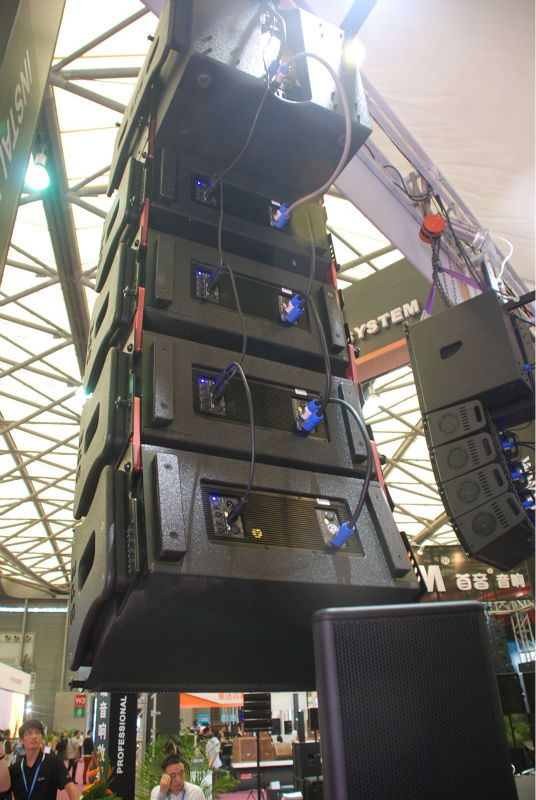
Let’s break down where this demand is coming from, because it’s far more diversified than you might think. It starts with the core home entertainment user—families and social groups who’ve realized that a proper PA system transforms movie nights, game days, and parties. But look deeper. The hospitality sector is a massive driver: high-end Airbnb hosts and boutique hoteliers are installing these systems as a premium amenity to command higher rates and stellar reviews. A property listing with “professional karaoke setup” or “home theater-grade sound for parties” sees significantly higher engagement and booking conversion. Then there’s the educational and corporate sector. Language teachers use them for pronunciation practice and engaging classroom activities, while companies buy them for hybrid work events and team-building retreats. Perhaps the most profound growth area is in wellness and elder care. Community centers and assisted living facilities are reporting tremendous benefits from regular karaoke sessions for cognitive stimulation, social bonding, and mental health. A 2023 survey by the Global Wellness Institute noted a 40% increase in inquiries for “easy-to-use, robust group audio systems” from healthcare and wellness providers post-pandemic. Each of these verticals requires slightly different features—durability for commercial hospitality use, simplicity for elder care, ultra-low latency for real-time singing—but they all converge on the need for professional, reliable, integrated sound.

This brings us to the heart of the matter for you, the distributor: understanding the specs that move units and drive repeat business. The savvy B2B buyer isn’t just looking for a generic “karaoke machine.” They’re comparing core professional audio specifications that guarantee performance and minimize returns. The key differentiators are in the mixers, the amplifiers, and the connectivity. Look for systems with multi-zone control, allowing background music in one area and karaoke in another—a killer feature for hospitality. DSP (Digital Signal Processing) for echo cancellation and feedback suppression is non-negotiable for clean sound. Wireless microphone stability, measured in UHF range and true diversity reception, is a major point of competition. Let’s put this in a clear, comparative format that you can use both internally and in your client presentations.
Technical Comparison: Core Systems for Different Market Segments
| Feature / Model Type | High-End Residential & Hospitality | Community & Education Focus | Entry-Level Commercial / Rental |
|---|---|---|---|
| Core Use Case | Premium home theaters, luxury Airbnb, small bars | Schools, community halls, elder care centers, corporate events | Event rental companies, budget hospitality, startup businesses |
| Power Output (RMS) | 2000W+, multi-channel | 1000W – 1500W, balanced power | 800W – 1200W, reliable |
| Critical Features | Multi-zone audio, HDMI ARC, advanced DSP effects, iOS/Android app control, ruggedized casing | Simple 1-2 mic inputs, built-in tutorial modes, extremely intuitive controls, heavy-duty wheels & handles | Lightweight, stackable design, combo jack inputs, basic mixer with essential knobs |
| Connectivity Must-Haves | Bluetooth 5.2, USB recording, Optical input, XLR/TRS combo jacks, Wi-Fi for streaming | USB for song libraries, SD card slot, 1/4″ mic jacks, auxiliary input | Bluetooth 5.0, 2+ standard mic inputs, RCA aux input |
| Key Selling Point | Seamless integration & luxury experience. Drives high-margin sales. | Durability and ease-of-use. Enables bulk orders for institutional clients. | Affordability and reliability. Perfect for high-volume, low-touch sales. |
Sourcing from a manufacturer that offers this kind of tiered, specification-driven portfolio is crucial. You need to be able to answer not just “what does it do,” but “how does it solve my client’s specific business problem?” A real estate developer wants to know how it adds value to a property sale. A wellness director needs to understand hygiene (wireless mics over shared wired ones) and accessibility. Your role is to equip your dealers with this narrative, moving the conversation from price-per-unit to value-per-installation.
So, where are the logistical pain points? The global supply chain for premium audio components—particularly Class D amplifiers and high-sensitivity speaker drivers—remains tight, with lead times for some parts still fluctuating. Smart distributors are partnering with manufacturers who maintain transparent supply chain data and diversified component sourcing. Furthermore, the post-sale landscape is key. The manufacturers winning long-term partnerships are those providing comprehensive digital assets: detailed spec sheets, CAD drawings for installers, easy-to-access firmware updates, and modular repair parts. The unit’s packaging itself is a marketing tool; it should be retail-ready for some channels and robustly protective for international shipping in others. Your competitive edge lies not just in moving boxes, but in providing a total package of product, data, and support that turns a one-time order into a recurring wholesale relationship.
Q&A for the Professional Dealer
Q: Our clients in the hospitality sector are concerned about durability and ease of use for guests. What should we prioritize?
A: Focus on systems with metal grilles, ruggedized ABS cabinets, and simple, intuitive control panels. Features like automatic feedback suppression and one-touch preset modes (e.g., “Party,” “Movie,” “Background Music”) are essential. Wireless microphones with automatic frequency scanning and pairing eliminate guest frustration. Prioritize models from manufacturers that offer commercial-use warranties.
Q: How critical is “low-latency audio” for karaoke, and how is it measured?
A: It’s paramount. Latency is the delay between the singer’s voice entering the mic and hearing it from the speakers. Even a delay of 30ms can be disorienting and ruin the experience. Professional systems achieve near-zero latency through direct monitoring circuits and high-speed DSP processing. Always ask manufacturers for the “mic-to-output latency” spec; aim for under 10ms for professional grade. This is a major differentiator from consumer audio equipment.
Q: We see demand for “all-in-one” systems and “component” systems. Which trend is stronger for B2B?
A: Both have strong markets, but for different reasons. All-in-one systems (powered mixer with built-in speakers) are booming for residential, rental, and entry-level commercial due to their simplicity and set-up speed. The component market (separate mixer, power amp, passive speakers) is stable and premium, catering to custom installers, high-end hospitality, and venues needing scalable, repairable systems. A diversified supplier should offer both lines.
Q: What’s the next big feature wave we should be sourcing for?
A: Look for deep integration with streaming and social media. Systems with built-in high-quality USB audio interfaces for direct recording to computers, compatibility with popular karaoke apps like Singa and Yokee, and even simple video mixing capabilities for creating social media content are gaining traction. The product is no longer just a sound system; it’s a content creation hub.