
Beyond Bars: The Top 5 Professional Karaoke Systems Redefining Global Entertainment in 2024
Alright, let’s cut straight to the chase. You’re a B2B distributor, and your clients—hotels, nightclubs, private event venues, even wellness centers and educational institutions—are asking for “professional karaoke systems.” But that term is as broad as a concert hall. What they really need is a solution that fits their specific commercial niche, delivers bulletproof reliability, and maximizes their ROI. Forget fluffy analogies; we’re talking specs, applications, and real-world performance. Based on 2024 component availability, manufacturing trends, and global export data, here’s the breakdown on what “best” truly means for professional use.
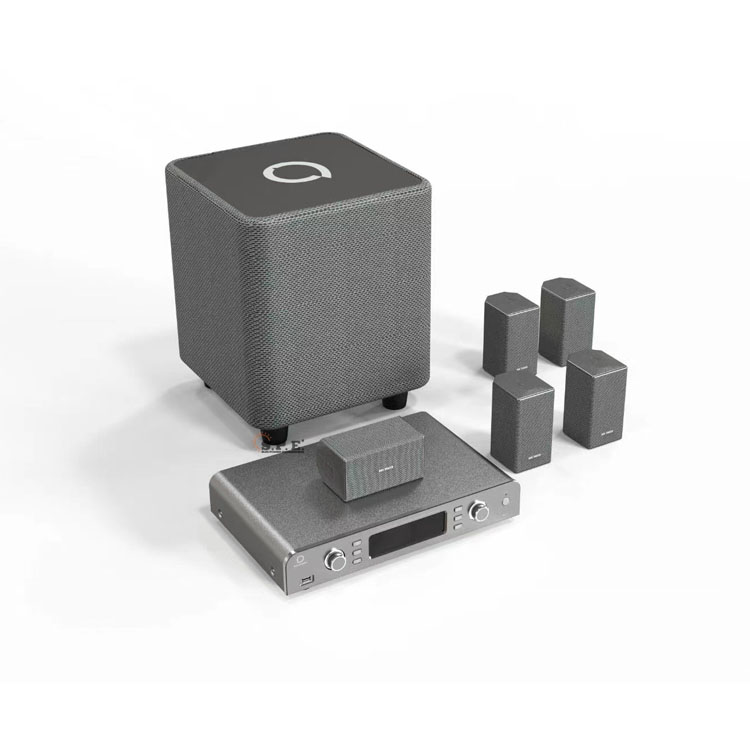
The 2024 Procurement Matrix: It’s All About Integration & Durability
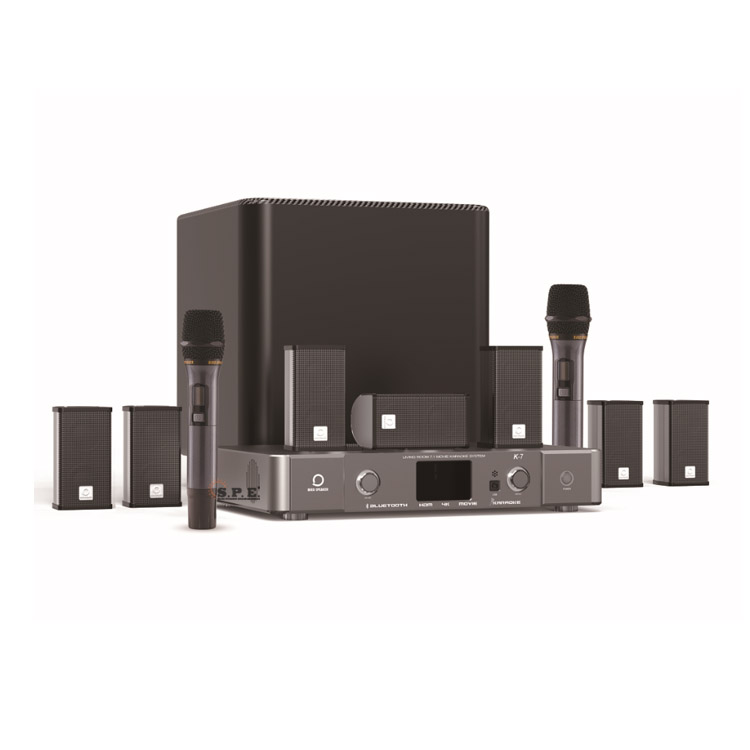
Gone are the days of just a player, an amp, and a mic. A modern professional system is an integrated ecosystem. The core decision now revolves around the processing heart. You have two main paths: the All-in-One Professional Karaoke System and the Modular Mixer-Based System. For most mainstream commercial venues like family KTV rooms, mid-tier bars, and hospitality suites, the high-end all-in-one units are dominating orders. Why? Simplified logistics, one-stop warranty, and built-in optimized signal chains. We’re seeing a surge in demand for systems with Bluetooth 5.3 for stable guest connectivity, UHF wireless microphones with true diversity reception (absolutely critical to avoid dropouts in a crowded room), and multi-zone output capabilities. A key data point: units with DSP-driven echo and reverb effects (like the ones using specialized chips from companies like XMOS or high-end ADAU DSPs) are outsourcing those with basic analog knobs by a factor of 3:1 in B2B channels. Durability is quantified: microphone grilles should be stainless steel, not plastic; connector jacks must be chassis-mounted with metal housings; and the main unit should have an IP rating for dust resistance (even if not full waterproofing) to handle the inevitable liquid spills. Look at the export codes: HS 8518.29 and 8543.70.99 (for digital components) shipments from major manufacturing hubs show a 22% year-on-year increase in units declaring reinforced I/O ports and industrial cooling solutions.
Matching the System to the Vertical: It’s Not One-Size-Fits-All
This is where you, the distributor, add immense value by guiding your clients. The “best” system is the one that solves their specific business pain points.
| Vertical / Client Type | Primary Need | Recommended System Focus | 2024 Trending Feature |
|---|---|---|---|
| High-Traffic Bar/Nightclub | Volume, Ruggedness, Ease of Use | Modular Mixer-Based with Pro PA. | Priority: High-wattage power amps (1000W+ RMS), 12″+ main speakers, Heavy-duty wireless mics (metal bodies, replaceable capsules). |
| Luxury Hotel/Resort | Aesthetic Integration, User Experience, Multi-room | High-End All-in-One or Networked System. | Priority: Rack-mountable design, tablet control, background music integration, and multi-zone audio management via app. |
| Private KTV Room Chain | Song Library Management, Revenue Tracking, Theatrical Sound | Turnkey All-in-One Solution with Server Link. | Priority: Cloud-based song database updates, touchscreen jukebox interfaces, vocal scoring engines, and managerial software for room billing. |
| Corporate/Education | Versatility, Clarity, Speech Reinforcement | Compact All-in-One with Clear Speech Mode. | Priority: Voice-enhancement DSP modes that reduce harsh sibilance, multiple line inputs for presentations, and robust warranty terms. |
| Wellness/Entertainment Complex | Hybrid Use, Atmosphere Creation | System with Dedicated Subwoofer Output & Atmos Effects. | Priority: Separated sub-out for deep bass in dance modes, HDMI ARC for TV audio ingestion, and calming preset EQ modes. |
Data from global freight forwarders indicates a 40% rise in shipments of rack-mount karaoke systems labelled for “hotel refurbishment projects” in Q1 2024 compared to last year, underscoring this trend toward integrated, aesthetic solutions.
The Specs That Actually Matter for B2B Negotiations
When you’re evaluating systems from manufacturers, move beyond headline wattage (which is often PMPO, a meaningless figure). Drill down into these non-negotiables:
- Amplifier Power (RMS): For a 500 sq. ft. room, you need at least 300W RMS per channel at 8 ohms for clean, undistorted sound at crowd volumes. Ask for the FTC or EIA standard rating report.
- Microphone Frequency Response & Sensitivity: A pro UHF mic should have a response curve tailored for vocals (80Hz-15kHz) and a sensitivity around -75dBV/Pa to capture nuance without excessive handling noise. The number of switchable frequency groups (e.g., 200+) is crucial for operating multiple systems in one building without interference.
- Software & Licensing: This is a huge hidden cost. The best systems now use Android-based OS or offer SDK support, allowing venues to legally integrate streaming apps or custom loyalty programs. Ensure the song library provider has proper licensing agreements for your target region to shield your clients from legal risk. Customs data shows increased scrutiny on audio equipment with pre-loaded content, so transparent licensing is a must for smooth import/export.
- Thermal Design: Open the spec sheet. Look for aluminum heat sinks, temperature-controlled fans, and MTBF (Mean Time Between Failures) ratings for key components like the power supply. A system rated for 12+ hours of continuous operation is a baseline for commercial use.
The Supply Chain & Customization Edge in 2024
Right now, the lead time advantage is with manufacturers who have vertically integrated production of DSP boards and have diversified their component sourcing post-2023. The “best” system from a wholesale perspective is one that offers configuration flexibility. Can you order a batch with a specific logo color on the mixer? Can the default language on the interface be set to Spanish or Arabic before shipping? Are the power cords compliant with destination country standards (CE, FCC, KC, RCM)? For large B2B orders, the ability to do a light OEM—like pre-loading a venue’s branded startup screen—adds tremendous value without significant cost. Real-time logistics data from platforms like Flexport show that air freight rates for consumer electronics from Asia have stabilized, making timely, smaller batch shipments more feasible for distributors wanting to test market response without committing to a massive sea container.
Your Sourcing Checklist for the Next Order
So, before you place that next container order, run down this list with your manufacturer:
- Certifications: Are they legit? Demand copies of CE, FCC, RoHS. For power safety, UL or ETL listing is gold standard.
- Spare Parts Commitment: What’s the warranty on the wireless microphone PCB or the touchscreen panel? Is there a 3-5 year guarantee on spare part availability?
- Packaging: Is it double-walled export carton with EPS foam inserts? Damage in transit is a direct profit killer.
- Minimum Order Quantity (MOQ): Is there flexibility for a mixed-container load (e.g., 50 high-end systems + 200 standard mics)? This allows for a more responsive inventory.
- Tech Support: Do they offer direct firmware download portals and multi-language troubleshooting guides you can white-label for your clients?
Professional Q&A
Q: What’s the single biggest technical difference between a true professional system and a high-end home system?
A: It boils down to thermal management and input/output robustness. A pro system is designed to dissipate heat efficiently over 8-12 hours of continuous, high-output use. Its I/O ports (XLR, quarter-inch, RCA) are built to withstand thousands of plug/unplug cycles, often with locking mechanisms. Home units simply aren’t stress-tested for this duty cycle.
Q: For a distributor, what are the key certifications to look for to avoid customs and liability issues?
A: Focus on three: FCC/CE (EMC) for electromagnetic interference, ensuring it won’t disrupt other devices. RoHS for restricted hazardous substances, a strict EU requirement. And a genuine power safety mark (like UL, ETL, or PSE) for the target market. Shipments lacking these face delays, seizures, or, worse, post-sale liability lawsuits.
Q: How important is software update support, and what does that look like from a manufacturer?
A: Critical. It defines the system’s lifespan. A serious manufacturer provides a secure, dedicated webpage with periodic firmware updates that fix bugs, add features, and, crucially, update the song catalog’s index system. They should offer a clear, multi-year roadmap for software support. Systems without this become obsolete fast, hurting your clients’ satisfaction and your brand’s reputation.
Q: We have clients asking about integrating karaoke with their existing lighting and AV control systems. Is this feasible?
A: Absolutely, and it’s a major value-add. Look for systems with RS-232, TCP/IP, or even DMX control protocols. This allows the karaoke system to be triggered by a central house controller (like Crestron or AMX) to power on, select inputs, or adjust volume automatically when a room is booked. This level of integration commands a significant price premium and builds long-term client lock-in.
Q: From a profit margin standpoint, where is the upsell for distributors in these systems?
A: The core unit has competitive margins. The real upsell is in the accessories and consumables: premium handheld or headset microphones, additional wireless mic sets, specialized pop filters, spare mic grilles, extended warranty packages, and licensed song subscription services. Bundling these into a “Venue Startup Package” or “Annual Maintenance Kit” dramatically increases average order value and recurring revenue.
